Soft and Hard Credit Checks: What Each Loan Step Pulls
A lender looks at your credit twice on the way to a loan: once lightly, to show you an estimate, and once in full, to decide. Here is how to recognize each one and how to shop without collecting needless inquiries.
Applying, by LendCedar Editorial Team Updated 6 minute read
In short
Checking your rate through prequalification normally uses a soft inquiry: it does not affect your credit scores, and only you see it on your report. Submitting a full application lets the lender pull your report with a hard inquiry, which other lenders can see and which can lower a score a little. Prequalify with several lenders, then send full applications only for the one or two offers you mean to take.
- Prequalification
- Usually a soft check
- Soft check score effect
- None
- Hard inquiry stays
- Up to two years
- FICO counts it for
- One year
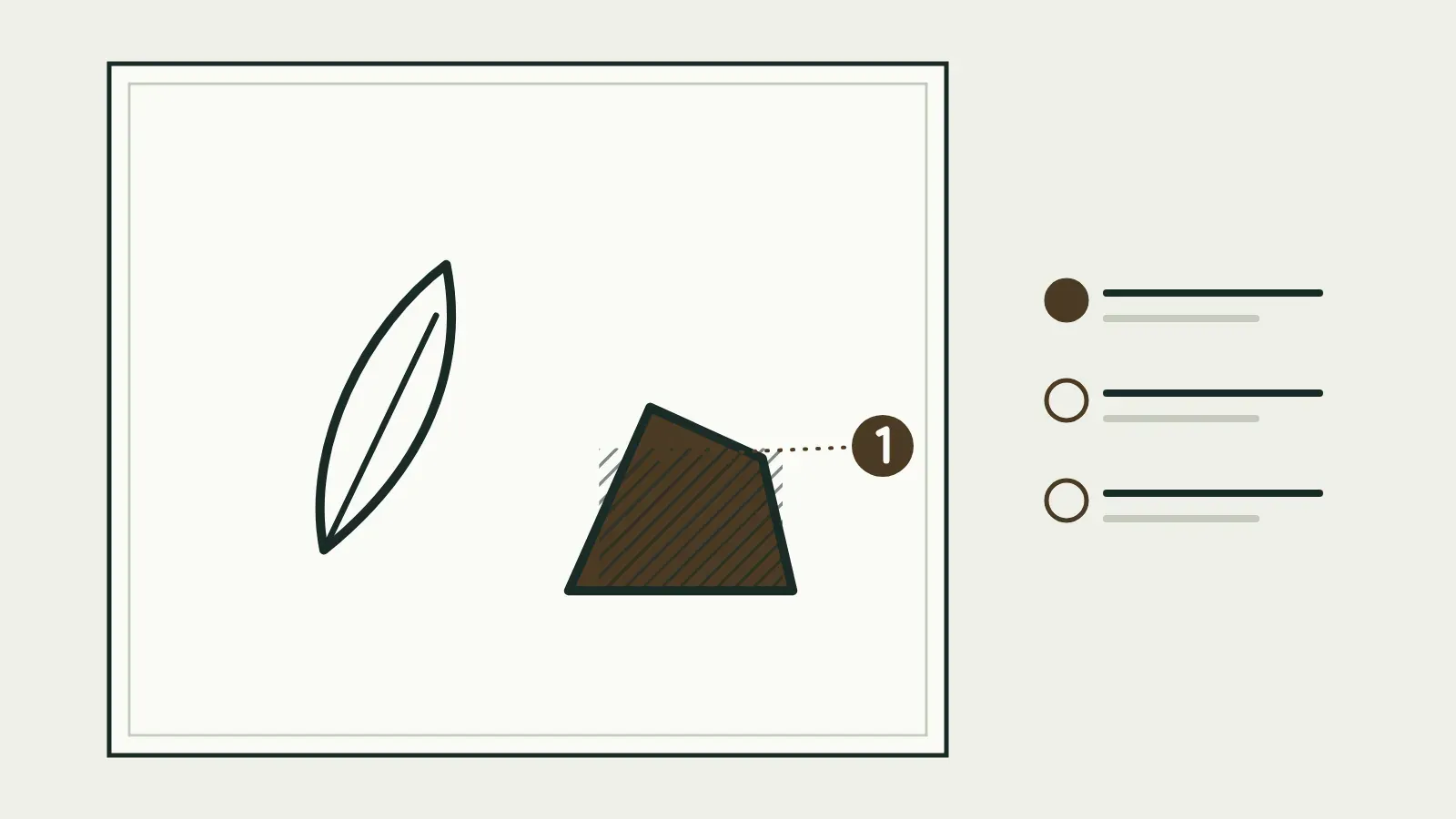
Two kinds of credit check
Every time someone gets a copy of your credit report, the credit bureau records an inquiry. The Consumer Financial Protection Bureau sorts these into two groups, and the difference matters because only one group can move your scores.
Soft inquiry
A look at your file that is not tied to a credit application: your own request for your report, a lender reviewing an account you already have, a prescreened offer, or a rate estimate. It does not affect your scores and appears only on the copy of the report you get.
Hard inquiry
A pull made because you applied for credit and the lender is deciding whether to approve you. Scoring models count it, and anyone who buys your report later can see the lender's name and the date.
The label the lender uses does not decide which kind it is. What counts is the purpose: an estimate before you apply, or a credit decision on an application you submitted.
Prequalification: the soft step
Many online lenders, banks and credit unions let you check a likely rate and amount before you apply. You enter your income, housing cost and the amount you want, and the lender matches that against a soft look at your report. The result is an estimate, not a commitment: the final rate can change once the lender verifies your income and reads the full report.
- Look for the statement that checking your rate will not affect your credit score. If the page does not say it, ask before you submit.
- Read the consent box. Some forms ask you to agree to a soft pull now and a hard pull later in the same click.
- Treat a request form as a request. If you use the LendCedar request form, the lenders and brokers who receive it decide how they check credit. Ask any of them which kind of inquiry a step uses.
Prescreened offers that arrive by mail or email are also built on soft data. Federal law lets a credit bureau sell lists of consumers who meet a lender's criteria only for a firm offer of credit, and the bureau may not show those inquiries to other lenders. You can opt out of prescreened offers through a notification system the bureaus must run with a toll-free number: an opt-out made that way lasts five years, and one confirmed with a signed form lasts until you cancel it.
The full application: the hard step
When you submit a complete application, you give the lender a legal reason to get your report. The Fair Credit Reporting Act allows a credit bureau to furnish a report to someone who intends to use it in a credit transaction involving you, which an application you started is. The lender then sees your full file, including balances, payment history and other recent inquiries.
A hard inquiry remains visible in your file for as long as two years. According to FICO, its scores count an inquiry for only one year, and for most people one extra inquiry takes less than five points off. Several hard inquiries close together tell a lender you are seeking a lot of new credit at once, which can weigh more than the points themselves.
Shopping for a rate without stacking inquiries
FICO says that for loans people commonly shop for, such as mortgages, auto loans and student loans, its scores group the inquiries that fall inside one shopping window and count them once, and ignore such inquiries from the 30 days before the score is calculated. The period is 14 days in older versions of the formula and 45 days in newer ones. FICO's page does not list personal loans among these types, so plan as if each personal loan application can count as a separate inquiry.
| Step | Kind of check | Seen by other lenders | Score effect |
|---|---|---|---|
| Checking your own report | Soft | No | None |
| Prequalifying for a rate | Usually soft | No | None |
| Submitting a full application | Hard | Yes | Small, counted for a year |
| Your lender reviewing the open loan | Soft | No | None |
- Check your own reports first so you know what lenders will see; checking your credit first explains how.
- Prequalify with three or four lenders on the same amount and term, and write down each estimated APR.
- Apply in full only with the lender whose estimate you would accept, and keep a second choice in reserve.
- Apply to the second lender soon if the first one declines or changes the terms, while your documents are still current.
What can go wrong and how to check
The most common surprise is a check you thought was soft showing up as hard. That usually means the form you completed was an application, not a rate check. Another is an inquiry from a company you never contacted, which can be a sign that someone applied in your name.
Look at your reports a few weeks after you apply. The nationwide credit bureaus let you get free reports weekly at annualcreditreport.com. If you find a hard inquiry you did not authorize, contact the lender that made it and dispute it with the bureau. Funditia, our sister site, explains how hard and soft inquiries fit into a credit score in more detail. If your application is turned down, the lender owes you a notice with the reasons; if you are denied covers what it must say.
Sources
- What is a credit inquiry? (Consumer Financial Protection Bureau)
- 15 U.S.C. 1681b (FCRA) — Permissible purposes of consumer reports (Cornell LII)
- How inquiries affect FICO Scores and rate-shopping windows (myFICO)
We checked the facts on this page against these sources on October 27, 2026. The rate-shopping windows are FICO's own description of its scoring formulas; other scoring models may treat inquiries differently.
Questions people ask
Does checking my rate on a personal loan hurt my credit?
Not when the lender uses a soft inquiry, which is the usual practice for prequalification. Confirm the page says your score will not be affected before you submit; a full application is a different step and normally uses a hard inquiry.
Are several personal loan applications counted as one inquiry?
Do not count on it. FICO describes grouping shopping inquiries for loans such as mortgages, auto loans and student loans, and does not name personal loans on that page. Prequalify widely and apply in full with as few lenders as you can.
How long does a hard inquiry affect my score?
FICO scores count a hard inquiry for one year, although it remains visible in your file for as long as two years. For most people a single inquiry costs fewer than five points.
Can a lender pull my credit without my permission?
A lender needs a permissible purpose under the Fair Credit Reporting Act, such as an application you made or an account you hold. An inquiry from a company you never dealt with is worth disputing with the credit bureau.
Ask lenders for real offers
Describe the loan you have in mind. LendCedar passes your request to lenders and loan brokers who may contact you with offers; you compare them and decide.
- The loan you have in mind: amount, purpose, credit and income.
- Your contact details and your consent to be contacted.
- A lender or loan broker may contact you with an offer. Nothing is decided until you sign with a lender.
LendCedar is not a lender or a loan broker and does not make credit decisions.
You pay LendCedar nothing. Lenders and loan brokers pay us for requests, and they set their own rates and terms. How we make money.
Nearby in the guide
-
Step
Check your credit first
Pull your free weekly reports, dispute errors and lift any freeze before a lender looks at your file.
-
Step
Documents you need
ID, SSN or ITIN, proof of income and address, bank statements, and how to send them safely.
-
Step
If you are denied
The notice a lender owes you within 30 days, the reasons and score in it, what to fix and when to reapply.